


Gravity- and Pressure-Based Approaches in Colon Hydrotherapy
Colon hydrotherapy equipment is often described using terms such as gravity or pressure, which can give the impression that these represent fundamentally different systems. In practice, gravity and pressure describe how water is delivered, not whether a device is modern, safe, or clinically appropriate.
This overview clarifies how gravity-based and pressure-regulated delivery modes function, how they differ in practice, and why modern, regulated equipment plays a central role in patient safety and consistency.
A Brief History of Gravity-Based Delivery
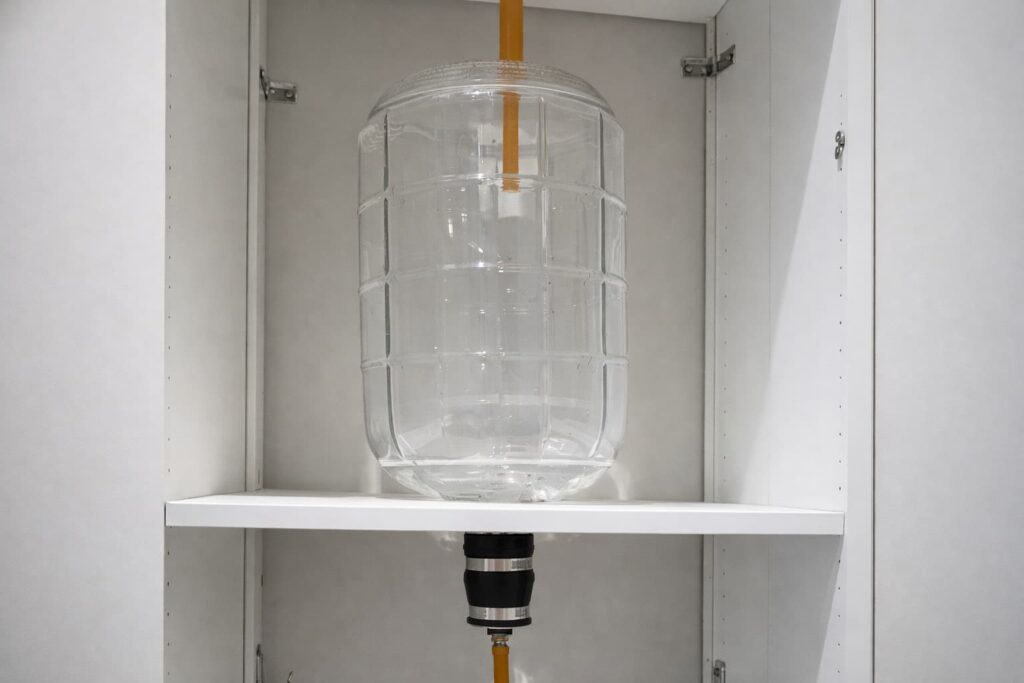
Before the development of modern colon hydrotherapy devices, gravity was the primary means of delivering water into the colon. Early practitioners used elevated glass or metal containers to create gentle water flow relying solely on gravitational force. Over time, this approach became formalized in systems commonly referred to as Woods-style gravity systems.
Gravity delivery was valued for its simplicity and low applied pressure, but early setups varied widely in terms of hygiene, flow consistency, and safety controls.
Gravity-Based Delivery: How It Works
In gravity-based delivery, water flows downward from an elevated tank or column into the colon using gravitational force alone. Flow rates are determined by the height of the water source and basic flow controls, typically resulting in relatively low pressure.
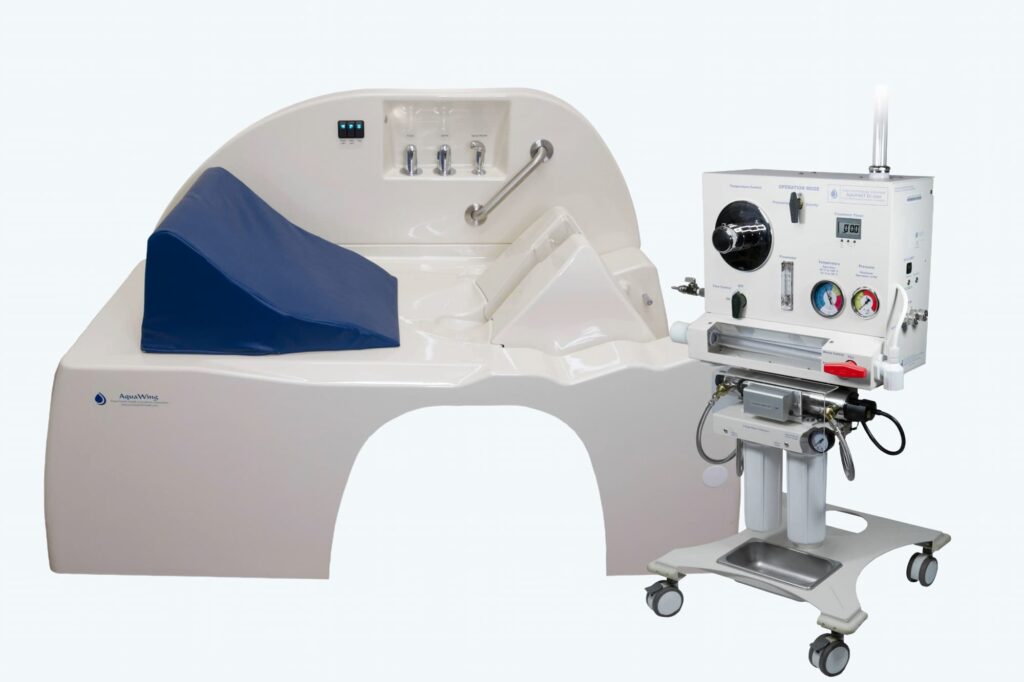
In modern clinical settings, gravity delivery may be implemented within regulated devices that incorporate filtration, temperature control, pressure limits, and enclosed waste pathways—addressing many of the limitations of earlier gravity setups.
Practical characteristics commonly associated with gravity delivery include:
- Gentle, low-pressure inflow
- Minimal sensation of applied force
- Flow that responds gradually to adjustments
- Suitability for clients who prefer a softer sensory experience
Pressure-Regulated Delivery: How It Works
Pressure-regulated delivery uses a building’s pressurized water supply that is filtered and conditioned by the device, in combination with internal regulators, valves, and safety safeguards. Although the water originates from a pressurized source, flow and pressure are tightly controlled and limited by the equipment.
Pressure-regulated systems allow the practitioner to actively adjust flow rate and manage fill-and-release timing through mechanical controls, while remaining within defined safety parameters and maintaining consistent water quality.
Practical characteristics commonly associated with pressure-regulated delivery include:
- The ability to deliver more dynamic or vigorous flow patterns, within defined safety limits
- Greater responsiveness to practitioner input during fill and release phases
- Increased flexibility when working with clients who tolerate or prefer a more active delivery style
Gravity and Pressure: Delivery Modes, Not Separate Systems
A key point often overlooked is that gravity and pressure are not inherently separate “systems.” They are two delivery modes that may be offered within a single, modern, closed-system device.
When implemented within regulated equipment, both gravity-based and pressure-regulated delivery can be:
- Controlled
- Hygienic
- Consistent
- Compliant with modern clinical standards
The distinction lies in how water is introduced and modulated, not in the overall safety or legitimacy of the treatment.
The Role of Modern, Regulated Devices
In contemporary clinical environments, safety and consistency are supported by device design in combination with practitioner training and protocols. Modern colon hydrotherapy equipment commonly incorporates:
- Defined pressure limits
- Integrated filtration
- Temperature regulation
- Enclosed waste pathways
- Medical-grade materials
- Standardized disinfection protocols
- Regulatory clearances (e.g., FDA, Health Canada)
These features allow gravity-based and pressure-regulated delivery to be offered within a controlled and standardized framework, reducing variability between sessions and between clinics.
Practical Considerations in Clinical Use
Selection between gravity-based and pressure-regulated delivery may depend on multiple factors, including:
- Patient comfort, tolerance, and sensitivity
- Practitioner technique and clinical judgement
- Session goals
- Equipment capabilities
Some modern colon hydrotherapy devices are designed to support both gravity-based and pressure-regulated delivery modes within a single system, allowing practitioners to select the appropriate mode during a session while maintaining consistent safety controls.
Summary
Gravity-based and pressure-regulated approaches represent different methods of water delivery, each with distinct mechanical characteristics and sensory profiles. In modern practice, the emphasis is less on choosing one approach over the other, and more on using regulated equipment that supports safe, controlled implementation of either mode.
Understanding these distinctions helps practitioners, clinic owners, and patients move beyond simplified comparisons and focus instead on appropriate equipment, training, and individualized care.
Disclaimer
This content is intended for educational and informational purposes only. It does not constitute medical advice or clinical guidance. Colon hydrotherapy practices and regulations vary by jurisdiction, and all procedures should be performed by trained operator using equipment appropriate to local regulatory requirements.