


Understanding Open and Closed Colon Hydrotherapy Systems
Colon hydrotherapy systems are generally categorized as either open or closed, based on how water enters the colon and how waste is evacuated during treatment. While both system types are widely used in clinical practice, they differ in mechanics, practitioner involvement, and patient experience.
Understanding these differences can help clinics, practitioners, and patients make informed decisions based on clinical goals, patient needs, and workflow considerations. This article provides an objective overview of open and closed colon hydrotherapy systems and how each functions in practice.
Open System Colon Hydrotherapy: Overview
How Open Systems Work
In an open system, warm, filtered water flows continuously into the colon through a small rectal tip while waste exits externally into a vented basin.
Filling and release are primarily mediated by the patient’s own pelvic floor and anal sphincter muscles. During periods of voluntary retention, water is held within the colon according to patient comfort and tolerance; release occurs naturally when these muscles relax.
The practitioner remains present throughout the session, monitoring patient comfort, adjusting water flow and temperature, and supporting the process through positioning and abdominal techniques as appropriate.
Key Characteristics
- Continuous water flow at low pressure
- Waste exits directly into a basin rather than enclosed tubing
- Treatment pacing is often guided by patient sensation and comfort
- Direct practitioner involvement may vary throughout the session
What Practitioners Often Observe
Practitioners working with open systems often note that:
- Treatment pacing is strongly influenced by patient sensation and comfort
- The physiologic “fill and release” pattern may feel intuitive for some patients
- Continuous waste evacuation can reduce pressure buildup in patients with significant gas or stool burden
Open systems are often selected in practices that emphasize patient-led pacing and minimal mechanical intervention.
Closed System Colon Hydrotherapy: Overview
How Closed Systems Work
In a closed system, water enters and exits the colon through a rectal speculum with separate inflow and outflow channels. Waste remains fully enclosed from patient to sewer throughout the session.
Although water flow is continuous, filling and release cycles are initiated mechanically by the practitioner through the controlled restriction and opening of outflow valves. This allows the practitioner to guide retention time and fill volume directly.
Key Characteristics
- Enclosed waste pathway from patient to sewer
- Defined fill-and-empty cycles controlled by the practitioner
- Continuous practitioner presence throughout the session
- Direct visual monitoring of effluent through tubing
What Practitioners Often Observe
Practitioners using closed systems commonly note:
- Greater control over fill volumes and timing
- Clear visibility of flow patterns during treatment
- Hands-on engagement throughout the session
- Utility in cases where constipation is present but not heavily impacted
Closed systems are often preferred in clinics that emphasize practitioner-guided treatment structure and continuous oversight.
Comparing Open and Closed Systems in Practice
Rather than representing a hierarchy, open and closed systems reflect different clinical philosophies and practical approaches.
| Aspect | Open System | Closed System |
|---|---|---|
| Water flow | Continuous | Continuous |
| Retention mechanism | Patient-mediated | Practitioner-controlled |
| Release initiation | Physiologic | Mechanical |
| Practitioner presence | Continuous | Continuous |
| Control emphasis | Sensory and physiologic | Mechanical and visual |
Both system types can be used effectively when matched appropriately to patient needs and practitioner experience.
Why Clinics Choose One System Over Another
Clinics may choose open or closed systems based on a range of factors, including:
- Patient population and common presenting concerns
- Practitioner training and comfort with each modality
- Desired level of practitioner involvement during sessions
- Clinic workflow, staffing, and treatment room setup
Many clinics find value in offering both approaches, allowing flexibility across patient types and clinical goals.
Equipment Design and Adaptability
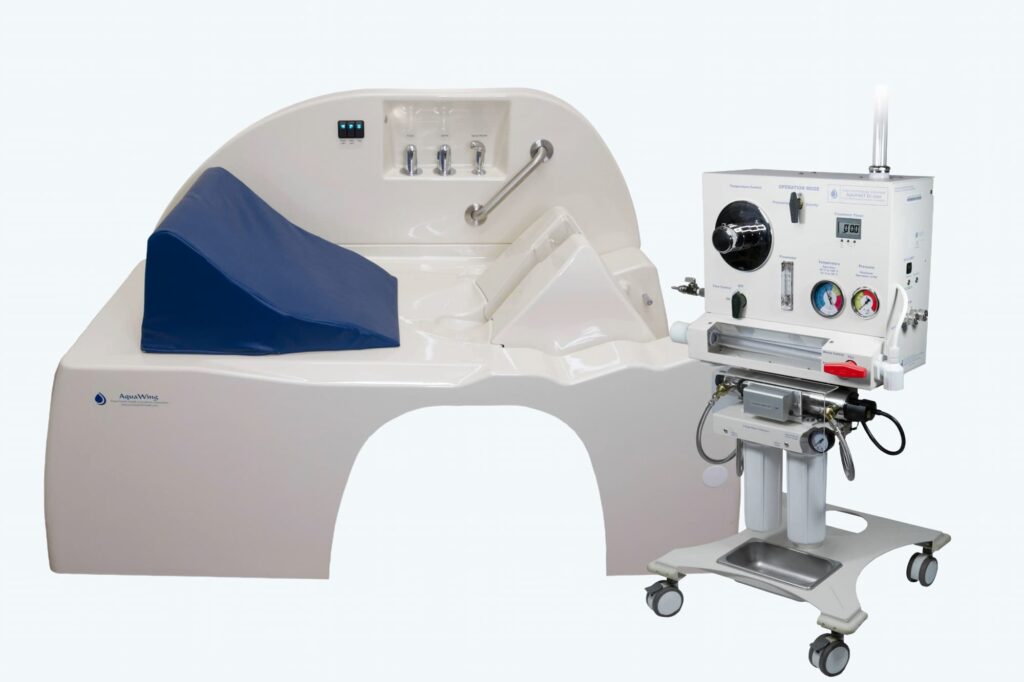
Some treatment tables and system configurations are designed to accommodate both open and closed system styles, allowing clinics to adapt without committing to a single approach. This adaptability can support broader patient care options and evolving practice models.
Conclusion
Open and closed colon hydrotherapy systems each offer distinct operational characteristics and patient experiences. Neither system is inherently superior; rather, each serves different clinical preferences and patient needs.
A clear understanding of how these systems function in practice supports informed decision-making and helps ensure that treatment approaches align with patient comfort, practitioner expertise, and clinic objectives.
Important Notice
This content is intended for informational and educational purposes only.
It does not constitute medical advice or clinical guidance. Colon hydrotherapy practices should be performed by qualified professionals in accordance with applicable regulations, training standards, and clinical judgment.