


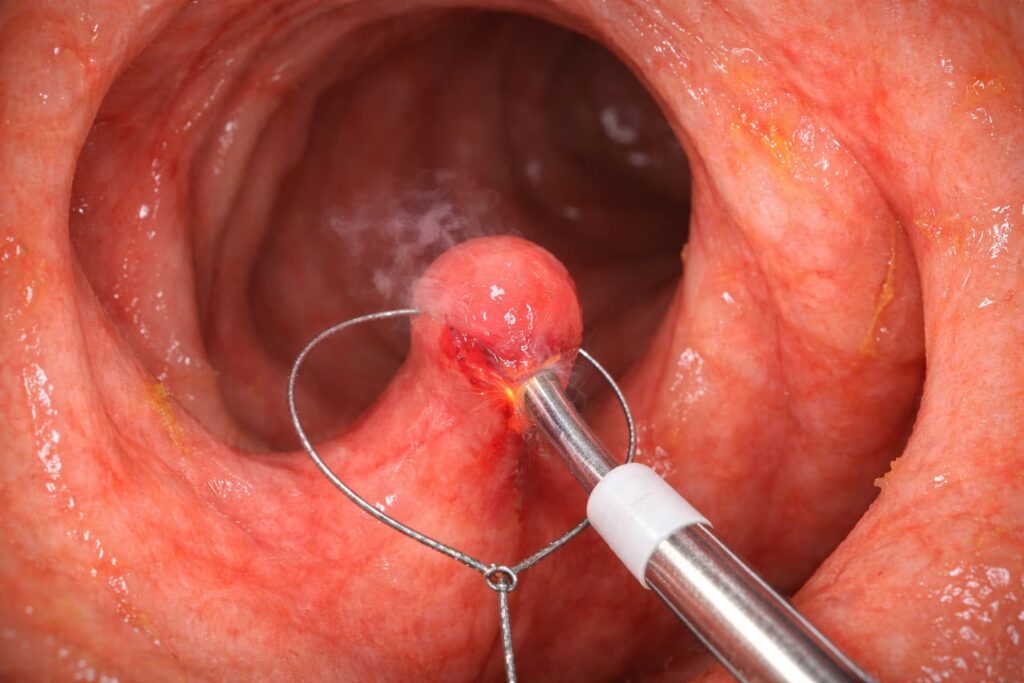
Adequate bowel preparation is essential for high-quality colonoscopy, directly influencing diagnostic accuracy, adenoma detection rates, procedural efficiency, and the need for repeat examinations. Despite the availability of standardized oral bowel preparation regimens, inadequate cleansing remains common, with reported failure rates of approximately 20–25% in routine clinical practice. Factors such as poor tolerability, incomplete adherence, comorbidities, and inflammatory bowel disease (IBD) further complicate effective preparation.
In response to these challenges, alternative bowel preparation approaches have been investigated, including retrograde high-volume colonic lavage, also described in the literature as rectal water irrigation or colonic lavage systems. This article reviews selected peer-reviewed research examining bowel preparation strategies prior to colonoscopy, with particular attention to clinical evidence evaluating colonic lavage as a preparation modality.
Limitations of Conventional Oral Bowel Preparation
Oral polyethylene glycol (PEG)–based regimens remain the most widely recommended bowel preparation method and are favored in many patient populations due to their safety profile. However, oral preparations are associated with several well-documented limitations, including poor patient tolerance, incomplete intake, and reduced effectiveness in patients with constipation, altered gastrointestinal motility, or prior abdominal surgery.
In patients with IBD, bowel preparation presents additional challenges. Studies have demonstrated higher rates of inadequate preparation and intolerance in this population, potentially impacting mucosal assessment and surveillance outcomes. Even optimized split-dose oral regimens do not eliminate preparation failure, contributing to repeat procedures, increased healthcare utilization, and reduced patient acceptance of screening colonoscopy.
Retrograde Colonic Lavage: Technique and Rationale
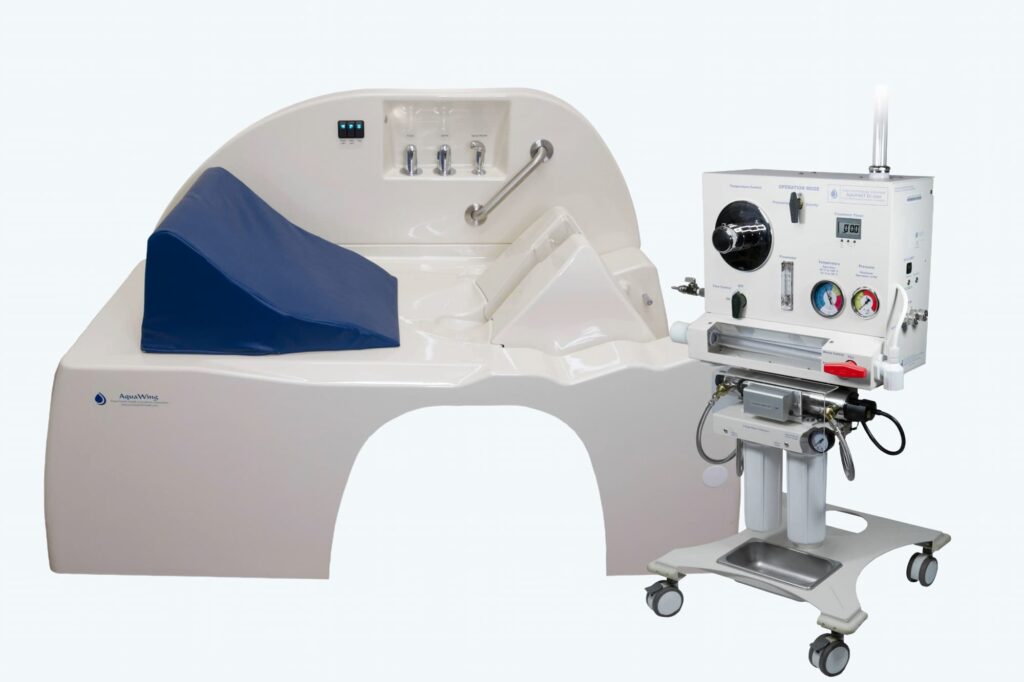
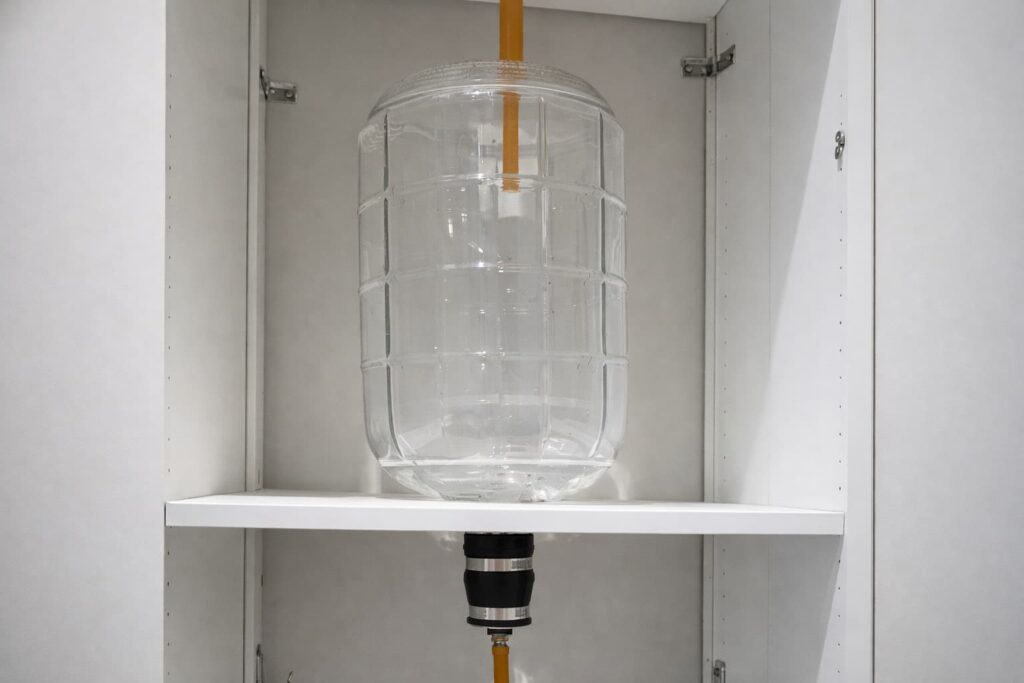
Retrograde colonic lavage involves the infusion of temperature-controlled, filtered water into the colon via a rectal nozzle under gravity-regulated pressure. The process facilitates stool softening and evacuation immediately prior to colonoscopy and is performed in a supervised clinical environment.
Unlike oral bowel preparations, which rely on anterograde intestinal transit, colonic lavage acts directly within the colon. This mechanistic distinction has driven clinical interest in its use for patients who experience difficulty tolerating or completing oral regimens.
Evidence From Clinical Studies
Randomized Controlled Trials
A randomized controlled non-inferiority trial conducted in France compared high-volume rectal water irrigation with standard split-dose PEG preparation in patients undergoing colonoscopy. The study demonstrated comparable total and segmental Boston Bowel Preparation Scale (BBPS) scores between groups, similar colonoscopy duration, and no clinically significant electrolyte disturbances. Patients in the rectal irrigation group experienced significantly less nausea compared with those receiving PEG preparation.
The authors concluded that rectal water irrigation was non-inferior to split-dose PEG for bowel preparation prior to colonoscopy and was well tolerated when performed under controlled clinical conditions.
Observational and IBD-Focused Studies
Observational and retrospective studies examining bowel preparation in patients with IBD have highlighted persistent challenges with oral regimens, including poor tolerability and suboptimal cleansing. Within this context, high-volume colonic lavage has been evaluated as an alternative preparation strategy.
A large retrospective study of patients with IBD undergoing colonoscopy reported bowel preparation adequacy rates exceeding 90% using high-volume colonic lavage, including in patients with prior gastrointestinal surgery. Adverse events were predominantly mild and transient, with no serious complications reported.
Systematic reviews and comparative studies in IBD populations have further identified retrograde colonic lavage as a promising preparation modality for selected patients, particularly when conventional oral regimens are poorly tolerated or ineffective, while emphasizing the importance of careful patient selection and clinical oversight.
Interpretation of the Evidence
Across multiple studies, high-volume colonic lavage has been evaluated specifically as an alternative bowel preparation strategy prior to colonoscopy, with outcomes comparable to standard oral regimens in selected patient populations. The available evidence supports its use particularly in cases where standard oral bowel preparation is poorly tolerated, contraindicated, or ineffective.
At the same time, several limitations should be acknowledged. The number of large, multicenter randomized trials remains limited, most studies involve carefully selected patient populations, and the procedure requires trained personnel and appropriate clinical infrastructure. Current major gastroenterology society guidelines continue to prioritize oral preparation regimens as first-line approaches.
These considerations underscore the role of colonic lavage within individualized clinical decision-making rather than as a universal replacement for oral bowel preparation.
Conclusion
Peer-reviewed clinical research demonstrates that high-volume colonic lavage can function as a primary bowel preparation method prior to colonoscopy in selected patients, achieving preparation quality comparable to standard oral regimens under controlled clinical conditions. The evidence positions colonic lavage as a clinically studied alternative preparation approach, particularly for patients who are unable to tolerate or complete conventional oral bowel preparation.
Further research is warranted to refine patient selection criteria, evaluate long-term outcomes, and clarify integration into broader clinical practice.
Important Notice
This article is intended for informational and educational purposes only.
It summarizes findings from published clinical research and does not constitute medical advice, clinical guidance, or a recommendation for any specific bowel preparation method. Decisions regarding colonoscopy preparation should be made by qualified healthcare professionals based on individual patient circumstances and applicable clinical guidelines.